
"Costa Rica Arabica"
700 article(s) found

An introduction to the boutique coffee flavor producing areas in the western valley of Costa Rica
All the coffee trees planted in Costa Rica are Arabica coffee trees. through improvement, the quality of coffee beans is better and more stable. in order to facilitate picking, coffee trees are kept at a height of about 2 meters through continuous pruning. The coffee that people eat is the taste of the seeds in the fruit that are brewed in water. After picking raw coffee beans, the peel, pulp, seed film and sun exposure must be removed.

Introduction to Fire Phoenix Manor in Costa Rica Coffee Manor
All the coffee trees planted in Costa Rica are Arabica coffee trees. through improvement, the quality of coffee beans is better and more stable. in order to facilitate picking, coffee trees are kept at a height of about 2 meters through continuous pruning. The coffee that people eat is the taste of the seeds in the fruit that are brewed in water. After picking raw coffee beans, the peel, pulp, seed film and sun exposure must be removed.

Costa Rican Coffee Development History Costa Rican Coffee Origin Costa Rican Tarazu Diamond
Coffee is an important economic source of Costa Rica. It was introduced in 1808 and has been cultivated for 200 years. Costa Rica has 1x3 population invested in coffee-related industries. Colombians say that coffee has changed the country and enjoyed a rich environment, and coffee has indeed made an outstanding contribution. Although Costa Rica ranks third from the bottom in terms of land area in Central America, its economic environment is better than that of Central America.

Costa Rican coffee, Costa Rican coffee cultivation
The coffee beans produced in the high latitudes of Costa Rica are famous in the world, full-bodied, mild in taste, but extremely sour. The coffee beans here have been carefully processed, which is why they have high-quality coffee. Located in the south of SanJos, the capital of Tarasu, Costa Rica is one of the most valued coffee growers in the country. Tarrazu World

Light and pure Costa Rican Yersalo fine coffee beans cultivation geographical location climate sea
Costa Rica's coffee industry, formerly controlled by the Instituto del Café de Costa Rica (ICAFE), has been taken over by the Official Coffee Council (Oficina del Caf). Among coffee exports, those deemed substandard are colored with blue vegetable dye before being recycled for domestic sale. Coffee consumed domestically

A brief introduction to the history and culture of the origin and development of Costa Rican Diamond Hill boutique coffee beans with bitter chocolate.
Tarrazu in Costa Rica is one of the major coffee producing areas in the world. The coffee produced is light and pure in flavor and pleasant in aroma. Costa Rica, with its fertile volcanic soil and good drainage, is the first country in Central America to grow coffee and bananas for commercial value. Coffee and bananas are the country's main exports. In 1729, coffee was introduced from Cuba to Goth.
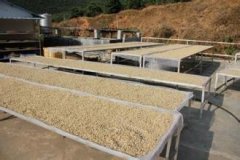
Cultivation of high-quality boutique coffee beans in Saint Roman, Costa Rica, geographical location, climate, altitude
Costa Rican Coffee-Tarrazu in Costa Rica is one of the major coffee producers in the world, with a light and pleasant flavor. Costa Rica, with its fertile volcanic soil and good drainage, is the first country in Central America to grow coffee and bananas for commercial value. Coffee and bananas are the country's main exports. 1729

Costa Rican Diamond Hill Manor planted with Arabica varieties
Costa Rica Diamond Mountain Manor country: Costa Rica Grade: SHB production area: central Valley altitude: 1300-1500m Annual rainfall: 3000 mm harvest month: December to February next year treatment: red honey treatment varieties: Kaddura, Kaduai Manor attaches great importance to the concept of environmental treatment, such as collecting Rain Water to process coffee; using earthworms

Introduction of Coffee Flavor description and Grinding scale varieties in Diamond Mountain Manor, Costa Rica
Because of the coffee industry, Costa Rica is a more advanced profession. Coffee farmers have a high status in Costa Rica. In 1897, citizens of the capital witnessed the completion of the National Theater donated by coffee tycoons. Coffee wealth brings stability to Costa Rica's politics, economy and democracy, which is rare in Central American countries. In addition, Colombia has laws that only allow the planting of Arabica and Drogba

Coffee bean producing areas-Central America-Costa Rica (Costa Rica)
Well-known representative coffee: Tarrazu Costa Rica, like other Central American countries, widely grows Arabica coffee. Its coffee is mainly grown in two high areas, one is the high area near the capital San Jose, and the other is the Tarrazu mountains southeast of San Jose. Because coffee is grown in Costa Rica at high altitudes.

What makes Costa Rican coffee unique?
Located about 30 kilometers northeast of San Jose, Costa Rica's capital, this research center belongs to the Costa Rica Coffee Association, which is Costa Rica's national research institute for coffee planting, breeding and quality inspection of Brazilian coffee. In addition, it also has 10 hectares of experimental fields planted with many excellent varieties. Coffee is Costa Rica's main agricultural product, producing more than 2 million bags a year.

A brief introduction to the planting market price of Costa Rican Yerzaro boutique coffee beans with bright style
Tarrazu in Costa Rica is one of the major coffee producing areas in the world. The coffee produced is light and pure in flavor and pleasant in aroma. The research center, located about 30 kilometers northeast of San Jose, the capital of Costa Rica, belongs to the Costa Rican Coffee Association and is a research institution for villa sarchi planting, breeding and quality inspection newly developed in Costa Rica.
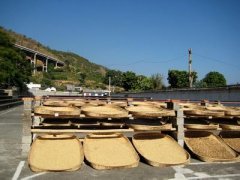
Balanced and clean Costa Rican Yerzaro boutique coffee beans grind degree baking degree treatment method
Costa Rica's coffee industry, originally controlled by the Costa Rican Coffee Industry Company (InstitutodelCafdeCostaRica, ICAFE), has been taken over by the official Coffee Committee (OficinadelCaf). Among the exported coffee, those products that are considered to be of substandard quality are colored with blue vegetable dyes and then transferred back to China for sale. Coffee consumed at home

Strong aroma of Costa Rican Yerzaro Fine Coffee Bean Flavor, flavor and aroma description, Jane
Other Costa Rican coffees worth mentioning are Juan Vinas,PR, H.Tournon, Windmill,SHB, Monte bello and Ssnta Rosa. Fine Costa Rican coffee is generally grown in Geredia and the central canyon. Another eye-catching Costa Rican coffee is sa

Introduction of Coffee Flavor description and Grinding degree characteristics of Coffee in Saint Roman Manor, Costa Rica with good sweetness
Coffee was introduced into Costa Rica from Cuba in 1729. Today, its coffee industry is one of the well-organized industries in the world, with a yield of 1700 kg per hectare. Costa Rica has only 3.5 million people but 400m coffee trees, and coffee exports account for 25 per cent of the country's total exports. The volcanic soil of Costa Rica is very fertile and well drained, especially in the central part.

The strong scented Costa Rican Yerzaro boutique coffee bean cultivation situation, geographical location, climate sea
There are many kinds of coffee here, but its industrial policy is large and cheap, so there is not much premium coffee, but it is a good choice for mixing other coffees. The newly developed villa sarchi planting, breeding and quality inspection research institutions, in addition, it also has 10 hectares of experimental plots, planting a number of excellent varieties. Coffee is the main agricultural product in Costa Rica, with an annual output of more than 2 million.

Picture of Costa Rican coffee beans (Costa Rica coffee)
1. Picture of Costa Rican coffee beans (Costa Rica coffee) 2. Picture of Costa Rican coffee beans (Costa Rica Arabica)

Scientific Research and cultivation of Costa Rican Coffee
The research center, located about 30 kilometers northeast of San Jose, the capital of Costa Rica, belongs to the Costa Rican Coffee Association and is the research institution for planting, breeding and quality inspection of Brazilian coffee fruits in Costa rica. in addition, it also has 10 hectares of experimental plots, planting a number of excellent varieties. Coffee is the main agricultural product of Costa Rica.

Introduction to the Flavor of Coffee varieties in the Origin of Coffee in Saint Roman Manor, Costa Rica
All the coffee trees planted in Costa Rica are Arabica coffee trees. through improvement, the quality of coffee beans is better and more stable. in order to facilitate picking, coffee trees are kept at a height of about 2 meters through continuous pruning. The coffee that people eat is the taste of the seeds in the fruit that are brewed in water. After picking raw coffee beans, the peel, pulp, seed film and sun exposure must be removed.

Costa Rican Tara Pearl Honey Flavor treatment Flavor description Grinding degree Taste Variety
Because of the coffee industry, Costa Rica is a more advanced profession. Coffee farmers have a high status in Costa Rica. In 1897, citizens of the capital witnessed the completion of the National Theater donated by coffee tycoons. Coffee wealth brings stability to Costa Rica's politics, economy and democracy, which is rare in Central American countries. In addition, Colombia has laws that only allow the planting of Arabica and Drogba